When Is the Correct Time for Respite Care or Assisted Living for a Parent?
Business Name: BeeHive Homes of Volcano Cliffs
Address: 6230 Montaño Rd NW, Albuquerque, NM 87120
Phone: (505) 302-1919
BeeHive Homes of Volcano Cliffs
At BeeHive Homes of Volcano Cliffs, New Mexico, we offer the finest assisted living experience available in a cozy, comfortable homelike setting. Each of our residents has their own spacious room with an ADA approved bathroom and shower. We prepare and serve delicious home-cooked meals three times a day every day. We maintain a small, friendly elderly care community. We provide regular activities that our residents find fun and contribute to their health and well-being. Our staff is attentive and caring and provides assistance with daily activities to our senior living residents in a loving and respectful manner. We would like to invite you to tour and experience our assisted living home and feel the difference.
6230 Montaño Rd NW, Albuquerque, NM 87120
Business Hours
There is a moment many adult youngsters know well. It normally does not show up with drama. It sneaks in via small things, like a burned frying pan left on the oven, a missed out on medicine dosage, a shaky walk from the bedroom to the bathroom, or the view a parent's face when they silently confess, "I'm much more tired than I used to be."
That is commonly when family members start asking the hard question: is this still a scenario where a little assistance will certainly do, or is it time to consider respite care or assisted living?
The solution is rarely simple. Parents age at different rates, and households have different sources, regimens, and tolerances for danger. Some older grownups stay sharp and independent well right into their 90s. Others begin to battle in their late 70s with jobs that used to really feel automated. There is no magic age when a relocation becomes necessary. The real inquiry is not how old your parent is. It is exactly how well their existing living scenario matches their actual needs.
That is where the difference in between respite care and assisted living issues. They offer various functions, and choosing the ideal one can shield both your parent's self-respect and your very own capability to stay constant as a caregiver.
The signs are generally useful before they are emotional
Families commonly wait for a crisis since the daily modifications are very easy to reason. A missed out on consultation becomes "just a busy week." A loss ends up being "they were bewaring, but slipped." A neglected expense becomes "the mail was puzzling." On their own, these things may not indicate much. Taken together, they inform a different story.
The clearest signs are frequently ordinary. If your parent is skipping dishes due to the fact that cooking has become also exhausting, that matters. If laundry is accumulating because the cellar steps really feel risky, that matters. If you are obtaining an increasing number of stressed about driving, medicine management, showering, or wandering, those worries are not overreactions. They are information.
A parent who still wishes to live in the house might urge they are fine, and they might also indicate it. Several older grownups make up for a long period of time. They quit making use of the upstairs shower. They wear the very same clothing longer. They get takeout regularly. They move very carefully and quietly to avoid confessing just how much initiative life currently takes. That kind of adaptation can delay apparent problem, but it can additionally mask how much strain they are carrying.
The question to ask is not whether your parent is taking care of in some way. It is whether managing is ending up being also costly in tension, safety, or exhaustion.
Respite care is frequently the initial valuable step
Respite care is short-lived support, and that is what makes it so important. It gives family members caretakers a break while ensuring the parent stays secure and cared for. In some cases the break is a weekend. Often it is a number of weeks. In some cases it occurs after surgery, throughout a caretaker holiday, or at the point when someone in the family members is just as well exhausted to maintain going without relief.
I have seen respite care aid in situations where everybody was stuck. A daughter taking care of her father had gotten to the point where she had actually not rested correctly in months since he was up numerous times an evening and required aid after a stroke. She did not intend to relocate him out of his home, and he was not ready to make that leap either. A short respite stay offered her an opportunity to remainder, capture up on her own health and wellness, and believe clearly. That time out altered the discussion. Without it, every choice felt immediate and emotional.
Respite care can additionally be a test run. If you are uncertain whether assisted living is the appropriate move, a short-lived remain can reveal a great deal. Does your parent settle in after a couple of days, or do they stay baffled and dissatisfied? Do they require even more help than the family realized? Are they safer in a supervised environment than in the house? Those answers matter. A short-term remain can be much more useful than a lots anxious conversations at the kitchen area table.
For some households, respite care is not a bridge to a long-term relocation. It is a stress valve. It helps preserve a hard but workable home arrangement. For others, it comes to be the very first honest sign that home care is no more enough.
Assisted living comes to be worth considering when assistance needs are no more occasional
Assisted living is not the like a nursing home, which difference is very important. Assisted living is designed for people senior care that do not need continuous medical care however do require aid with every day life. That may imply assist with showering, clothing, dishes, housekeeping, transportation, drug tips, or simply the structure of an extra sustained environment.
The correct time to look seriously at assisted living is usually when the parent's requirements come to be routine instead of occasional. If your parent needs help daily, not just every so often, the concern on household caregivers can end up being unsustainable. The home might still be physically acquainted, yet it may no longer be functionally safe.
A great rule of thumb is this: if staying at home now requires a combination of constant supervision, constant jumble fixes, and one tired relative attempting to hold all of it with each other, it may be time to check out assisted living near me alternatives in earnest. That search is not an abandonment. It is a useful response to a changing reality.
Some grown-up kids hold-up because they feel guilty. Others delay since their parent is still pleasurable, still amusing, still psychologically existing the majority of the moment. But pleasantness does not get rid of danger. A cheerful parent can still forget medication, fall in the shower, stray outside, or leave the stove on. A parent can seem "fine" for much of the day and still be dangerous living alone.
The shift to assisted living is typically much less concerning shedding freedom than concerning reorganizing it. Many older adults do much better when they are not spending all their energy on survival jobs. When dishes are prepared, laundry is managed, and assistance is nearby, they might in fact gain back confidence.

Safety is the concern nobody wishes to claim out loud
Families tend to speak around safety before they talk about it straight. They point out ease, isolation, and exhaustion. Those are real worries, yet frequently they are code for something sharper: fear.
Fear of a fall that goes unnoticed for hours. Fear of a missed dosage of blood pressure medicine. Anxiety of a parent getting lost while driving. Anxiety of a fire. Anxiety that a youngster will certainly get a contact the middle of the evening and recognize the situation had been wearing away for months.
Safety concerns deserve a clear-eyed look. If your parent has actually had repeated drops, that is severe. If they wound easily because they are unstable, that is severe. If they are no longer able to take care of stairways safely, that is severe. If dementia, also in a beginning, is causing confusion regarding time, area, or routine, that is significant too.
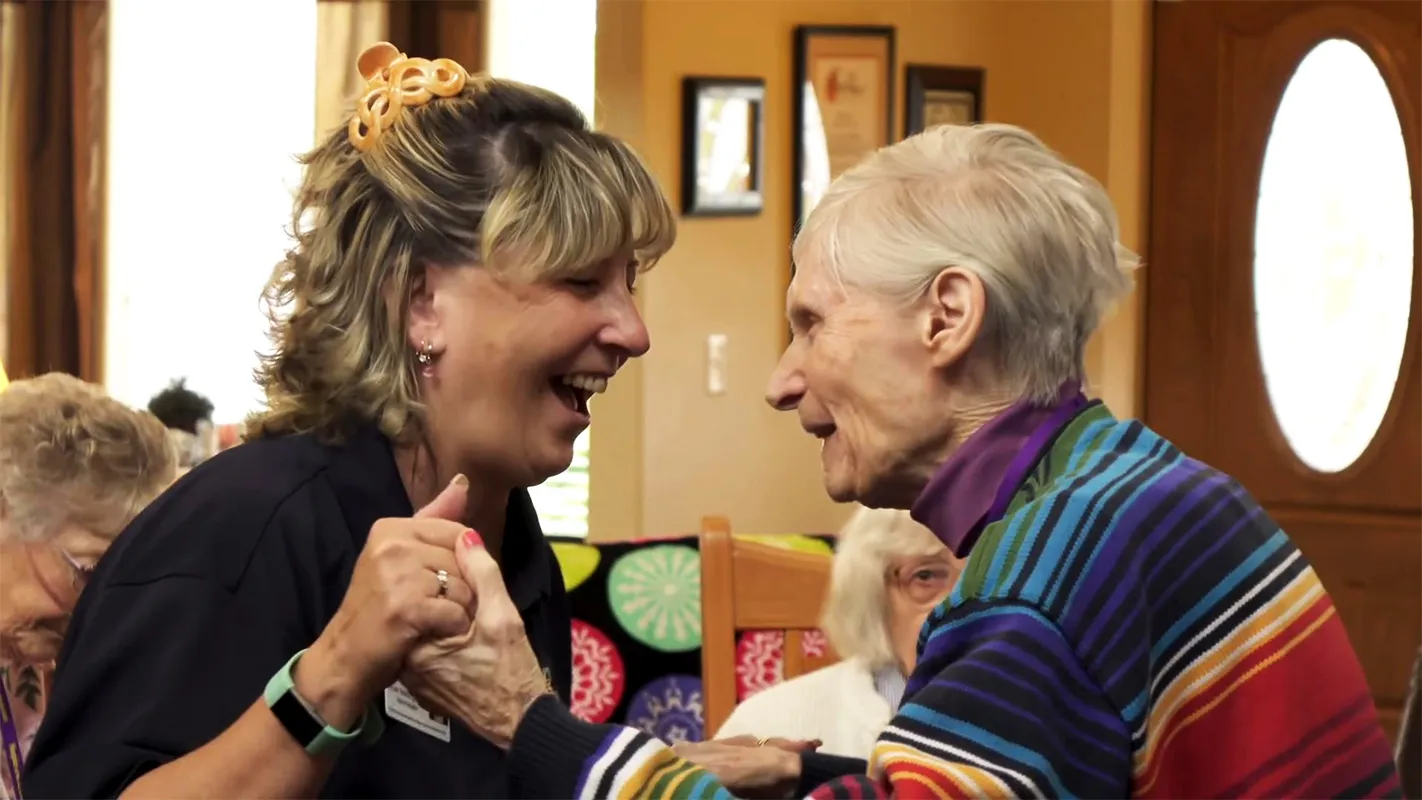
This is where words senior care and senior living stop sounding abstract. They come to be concrete solutions and settings that reduce risk. Some families need assist with a few hours of senior care each day. Others require an action into assisted living. There is no moral reward for waiting up until a catastrophe requires the decision.
Watch for caretaker fatigue, not simply parent decline
The parent's problem issues, yet so does the caretaker's capability. Sometimes the toughest signal that respite care or assisted living is needed comes from the person doing the helping.
Caregiver fatigue shows up in unusual methods. You may come to be impatient over tiny things. You might really feel numb when you used to really feel tender. You might have migraines, rest problem, dread, or a low-grade animosity that you do not wish to confess out loud. You may begin skipping your very own doctor consultations, overlooking your job, or reducing your social life since your parent's needs have taken over every little thing else.
When that takes place, the issue is no longer just your parent's safety. It is the sustainability of the entire setup. Family caregiving is generous, yet it is not unlimited. If the caregiver breaks down, everybody suffers.
This is one factor respite care can be so reliable. It provides everybody room to breathe. It also exposes whether the existing plan depends upon heroic effort that can not proceed. If you really feel guilty requiring assistance, that sensation is common, however it needs to not be the making a decision element. A system that just works when someone is working on fumes is not genuinely working.
Money matters, yet not constantly in the method people expect
Cost is among the most significant reasons households think twice. Assisted living and respite care both involve real expenditure, and the numbers can feel intimidating. Some households compare the monthly expense of assisted living to the price of a mortgage or lease and think home care must be less costly. In some cases it is. Usually, it is not, especially when you consider home adjustments, grocery stores, transportation, clinical products, at home assistants, and the unsettled time relative contribute.
It helps to consider the full price of staying home. If your parent needs several services pieced together, the overall can climb up promptly. A few hours of help every day, in addition to transport, meal assistance, and periodic overnight supervision, may amount to more than a structured assisted living arrangement.
That said, not every parent needs the very same degree of support. Some people can remain at home with a modest quantity of senior care. Others need an even more thorough setting. An economic image that looks difficult in the beginning may become convenient once you quit comparing only rent out or mortgage numbers and begin comparing full care needs.
This is also where neighborhood search habits comes into play. Families usually begin inputting phrases like senior care near me or assisted living near me when they are trying to compare sensible options near to home. That search is usually much less concerning buying and more regarding getting oriented. The objective is not to discover the fanciest location. It is to locate a secure, stable fit.
The conversation goes much better when it is mounted around quality of life
Very few parents respond well to being told they can no more take care of. Even when it is true, the phrasing matters. If the conversation sounds like a decision, the parent may safeguard their freedom more very. If it sounds like a collaboration, the odds improve.
The finest discussions usually begin with particular monitorings instead of basic concerns. "You have actually had two drops this year, and I'm stressed about the stairs." "The medication box is getting confusing." "You appear tired after making meals." Concrete examples are more difficult to dismiss than vague concern.
It likewise aids to speak about what your parent desires, not only what you want. Numerous older adults care deeply regarding privacy, routine, animals, social call, and control over their day. Assisted living might really support those goals far better than isolated home living, especially if the home has actually come to be hard to preserve. Respite care can be placed as a temporary aid, not a permanent loss of control.

A useful concern is this: what does a great day appear like for your parent now? If the response includes less stress, even more rest, fewer tasks, and much less worry of falling or failing to remember something crucial, that solution may point towards senior living much more plainly than any type of sales pamphlet ever could.
Sometimes the right time is prior to there is an emergency
The hardest positionings are typically the ones made after a hospital remain. That is when families are tired, scared, and under pressure to make a decision rapidly. The parent may be weak than usual, and every person might really feel cornered. Those choices can still be good ones, but they are frequently made with less room for thought.
When possible, the much better moment is earlier. It is simpler to contrast choices when your parent is reasonably steady. It is simpler to visit neighborhoods, ask concerns, and notice exactly how a location feels when you are not making a panic choice. It is simpler for a parent to participate in the procedure when they can still share preferences clearly.
Early preparation does not suggest compeling an action too soon. It indicates acknowledging that aging modifications gradually, and the very best choices are typically made prior to the floor gives way.
If your parent is still independent but clearly slowing down, this is a great time to explore what respite care resembles, what assisted living deals, and what sort of senior care are readily available in your area. That research is not an overreaction. It is what prepared families do when they desire options instead of emergencies.
What a thoughtful decision generally seems like
There is seldom an excellent solution, but there is a thoughtful one. It generally appears much less like certainty and even more like great judgment.
If your parent needs a time-out from caregiving demands, or if you need rest prior to you stress out, respite care can be the right action. If your parent needs day-to-day help, is more secure with guidance, or is no more flourishing alone, assisted living might be the better option. If home is still working with a sensible amount of assistance, then sitting tight might continue to be the right choice for now.
The trick is to take a look at feature, not simply feelings. Sensations issue, certainly. They are frequently the factor family members hesitate, and they are worthy of respect. But sensations ought to not override repetitive proof. A parent can claim they intend to stay home and still be shedding the capability to do so securely. A child can really feel guilty regarding relocating a parent and still be making one of the most compassionate choice available.
The right time for respite care or assisted living is usually the minute when keeping points as they are needs too much strain, excessive risk, or way too much rejection. It is the minute when assistance quits being optional and begins becoming essential. And when family members acknowledge that clearly, they can relocate from panic to planning, which is frequently one of the most caring change of all.
BeeHive Homes of Volcano Cliffs provides assisted living care
BeeHive Homes of Volcano Cliffs provides respite care services
BeeHive Homes of Volcano Cliffs supports assistance with bathing and grooming
BeeHive Homes of Volcano Cliffs offers private bedrooms with private bathrooms
BeeHive Homes of Volcano Cliffs provides medication monitoring and documentation
BeeHive Homes of Volcano Cliffs serves dietitian-approved meals
BeeHive Homes of Volcano Cliffs provides housekeeping services
BeeHive Homes of Volcano Cliffs provides laundry services
BeeHive Homes of Volcano Cliffs offers community dining and social engagement activities
BeeHive Homes of Volcano Cliffs features life enrichment activities
BeeHive Homes of Volcano Cliffs supports personal care assistance during meals and daily routines
BeeHive Homes of Volcano Cliffs promotes frequent physical and mental exercise opportunities
BeeHive Homes of Volcano Cliffs provides a home-like residential environment
BeeHive Homes of Volcano Cliffs creates customized care plans as residents’ needs change
BeeHive Homes of Volcano Cliffs assesses individual resident care needs
BeeHive Homes of Volcano Cliffs accepts private pay and long-term care insurance
BeeHive Homes of Volcano Cliffs assists qualified veterans with Aid and Attendance benefits
BeeHive Homes of Volcano Cliffs encourages meaningful resident-to-staff relationships
BeeHive Homes of Volcano Cliffs delivers compassionate, attentive senior care focused on dignity and comfort
BeeHive Homes of Volcano Cliffs has a phone number of (505) 302-1919
BeeHive Homes of Volcano Cliffs has an address of 6230 Montaño Rd NW, Albuquerque, NM 87120
BeeHive Homes of Volcano Cliffs has a website https://beehivehomes.com/locations/volcano-cliffs/
BeeHive Homes of Volcano Cliffs has Google Maps listing https://maps.app.goo.gl/vC78eXZrUYuJ298v9
BeeHive Homes of Volcano Cliffs has Instagram page https://www.instagram.com/beehivealbuquerquewest
BeeHive Homes of Volcano Cliffs has an TikTok page https://www.tiktok.com/@beehivehomesalbuq
BeeHive Homes of Volcano Cliffs won Top Assisted Living Homes 2026
BeeHive Homes of Volcano Cliffs earned Best Customer Service Award 2025
BeeHive Homes of Volcano Cliffs placed 1st for Senior Living Communities 2026
People Also Ask about BeeHive Homes of Volcano Cliffs
What is BeeHive Homes of Volcano Cliffs Living monthly room rate?
Our base rate is $7,100 per month. We do an assessment of each resident's needs upon move-in, so each resident's rate may be slightly higher. However, there are no add-ons or hidden fees. We also charge a one-time community fee of $2,000 at move-in
Does Medicare or Medicaid pay for a stay at Bee Hive Homes?
Medicare pays for hospital and nursing home stays, but does not pay for assisted living. Some assisted living facilities are Medicaid providers, but we are not. We do accept private pay, long-term care insurance, and we can assist qualified Veterans with approval for the Aid and Attendance program
Do we have a nurse on staff?
We do have a nurse on contract who is available as a resource to our staff but our residents' needs do not require a nurse on-site. We always have trained caregivers in the home and awake around the clock
What can you tell me about the food at Bee Hive?
You have to smell it and taste it to believe it! We use dietitian-approved meals with alternates for flexibility, and we can accommodate needs for different texture and therapeutic diets. We have found that most physicians are happy to relax diet restrictions without any negative effect on our residents
Do we allow pets?
We do allow small pets as long as the resident is able to care for them. State regulations also require that we have evidence of current immunizations for any required shots
Where is BeeHive Homes of Volcano Cliffs located?
BeeHive Homes of Volcano Cliffs is conveniently located at 6230 Montaño Rd NW, Albuquerque, NM 87120. You can easily find directions on Google Maps or call at (505) 302-1919 Monday through Sunday 10:00am to 7:00pm
How can I contact BeeHive Homes of Volcano Cliffs?
You can contact BeeHive Homes of Volcano Cliffs by phone at: (505) 302-1919, visit their website at https://beehivehomes.com/locations/volcano-cliffs/ or connect on social media via Instagram Facebook or TikTok
Take a drive to The Great Greek Mediterranean Grill. The Great Greek Mediterranean Grill offers a casual dining option where families visiting loved ones receiving Assisted living memory care senior care elderly care and respite care can spend quality time together.